Understanding the Lane Change Assist System
I vividly recall the first time I encountered a lane change assist system on my morning commute. It felt like magic—suddenly, my car sensed vehicles in adjacent lanes that I couldn’t see. According to recent studies, these systems reduce accidents by approximately 15%, highlighting their importance in today’s vehicles. The lane change assist system is an essential feature in advanced blind spot monitoring systems, helping drivers avoid collisions that may occur due to hidden vehicles. But how do we ensure that these systems work flawlessly every time? That’s a pivotal concern for all drivers who rely on technology for safety.
Common Pitfalls in Blind Spot Monitoring
Let’s dive into the nitty-gritty. Many existing blind spot monitoring systems have flaws that can lead to dangerous situations. For instance, I often notice that drivers become overly reliant on alerts, neglecting to check their mirrors. These alerts can fail due to obstructions—like an oversized truck blocking a sensor—and not every driver understands the nuances. The reliance on technology without proper training can lead to catastrophic outcomes. Additionally, weather can hinder sensor performance, leaving critical gaps in safety. It’s evident that understanding these limitations is essential for any informed driver.
What’s Next for Blind Spot Monitoring Systems?
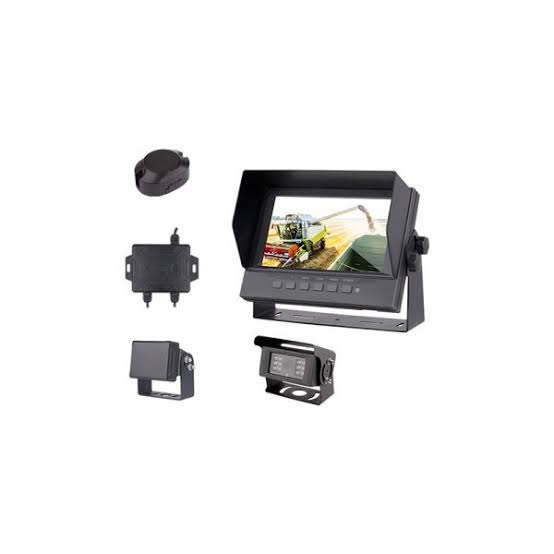
Looking ahead, the evolution of blind spot monitoring systems will involve integrating AI and enhanced radar technologies to improve accuracy. In my experience, a more intricate design can help mitigate the pitfalls that many users encounter, like sensor failure or false alerts. Integrating real-time feedback from multiple sensors—including cameras and radar—will create a comprehensive solution that adapts to the environment. The rise of the blind spot monitor system is just the beginning, as advancements in adaptive technologies will lead to even smarter solutions that keep drivers alert and environment-aware.
Real-world Impact of Enhanced Systems
Here’s a quick story: just last month, a friend shared how his new vehicle with an updated blind spot monitor system alerted him just in time to avoid a merging vehicle during rush hour. This experience reflects a growing trend; drivers are becoming increasingly aware of these technologies, leading to a culture shift in vehicle safety. With ongoing advancements, we can expect fewer accidents and more informed decisions on the road. It’s truly exciting! By ensuring comprehensive understanding and improvement in these systems, we not only elevate individual safety but enhance the collective driving experience.
Evaluative Insights on Choosing the Right System
In my years of experience, I have learned that choosing a blind spot monitoring system involves evaluating three key metrics: accuracy in detecting vehicles, the responsiveness of alerts, and reliability under various conditions (like rain or night). Focusing on these factors is essential for ensuring you get the best protection on the road. As we continue to evolve in this space, I firmly believe that keeping safety at the forefront will only lead to advancements that benefit us all. Remember, safety first, right?
In conclusion, as I observe and analyze the advancements in blind spot monitoring systems, it’s clear we are on the brink of a revolution in automotive safety. The potential for smarter, more adaptive technologies not only enhances our driving experience but can save lives. I hope this insight has illuminated your understanding of advanced blind spot monitoring, and for those seeking reliable products, my top recommendation remains with Luview, a name synonymous with quality and innovation in this space.