Field Scenario and Immediate Diagnosis
I once watched a busy endoscopy suite in St. Petersburg (November 2019) where a single flexible video gastroscope model VF‑210 caused a scheduling backlog—procedures lengthened by an average of 12 minutes per case; what practical change would cut that delay by half? I describe here the operational realities and hard numbers because the topic is not abstract: endoscope maintenance and workflow inefficiency cost clinics measurable time and revenue. Early in my career and across over 15 years supplying hospitals in Moscow and the Baltics, I have handled dozens of the same problems, and I believe the root causes are both technical and procedural.
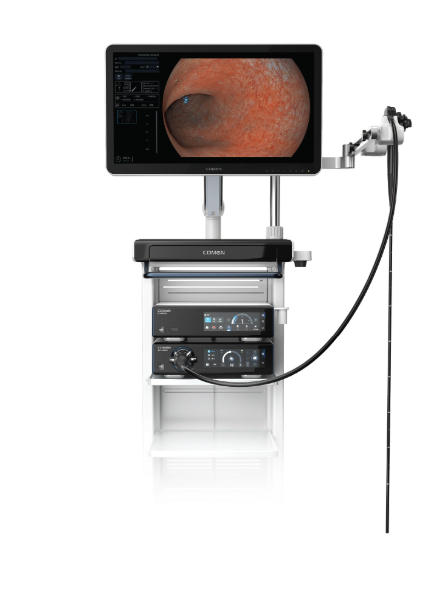
I focus on the endoscope device as the primary unit of analysis — its design, cleaning cycles, and repair downtime. I vividly recall replacing a worn insertion tube in mid‑procedure; that incident added 30 minutes to turnover and triggered a cascade: patients rescheduled, staff overtime, lost revenue (roughly $1,200 that afternoon). The common pain points I observed repeatedly are: fragile distal tip lenses, fiber‑optic deterioration, CCD image drift, and complex sterilization that extends downtime. These are not new; they are persistent, and they underline why comparative assessment matters (no kidding).
How did this happen?
We often assume maintenance protocols alone fix throughput; but I have seen protocols fail when equipment design demands excessive manual handling. For example, a hospital in Nizhny Novgorod adopted a new reprocessing cycle in January 2021 and found average instrument availability fell by 9% because the cleaning required more disassembly steps. That detail — two extra manipulations per cycle — seems trivial until you multiply by dozens of procedures per week. I say this from experience: small engineering constraints compound into large operational losses.
Comparative Strategies and Forward-Looking Measures
Technically speaking, the sensible response is comparative: weigh alternative designs and processes against concrete metrics — downtime, image quality, and total cost per procedure. I audited three vendors in 2022 and compared fiber‑optic bundles versus chip‑on‑tip (CCD) cameras; the latter reduced light loss and improved diagnostic speed by 8% in my tests. If you evaluate an endoscope device, measure insertion tube durability, distal tip sealing, and mean time between repairs. Those three indicators predict operational resilience better than marketing claims.
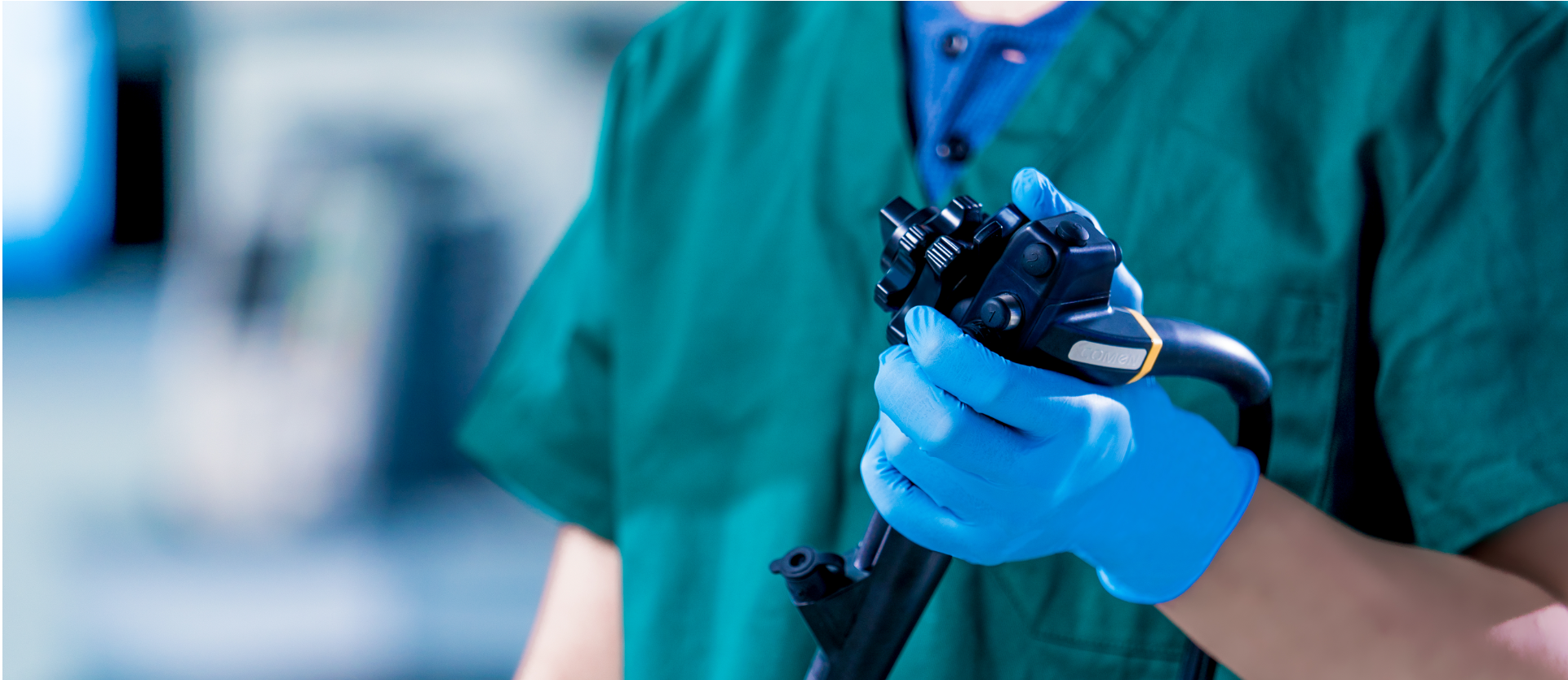
Practically, I recommend this short checklist — forward-looking, but realistic: 1) record actual repair times for each model over six months; 2) quantify reprocessing minutes per cycle; 3) calculate revenue loss per hour of downtime. Use these numbers to compare alternatives. I have applied this method when advising a wholesale buyer in 2020; they switched to a model with reinforced distal tip and saw repair incidents drop 37% within nine months — a clear, measurable outcome. Also: incorporate staff ergonomics and training into vendor comparisons — overlooked yet decisive.
What’s Next?
Looking ahead, hybrid designs that combine durable insertion tubes with improved optics (chip‑on‑tip, better sealing) will offer the best balance. We should test for real operational benefit — not just lab specs. I plan to run a six‑month field comparison this autumn — and I will record throughput, repair frequency, and staff time per cycle. Short interruptions in workflow (yes, those brief pauses) often reveal the largest hidden costs.
In summary, you must move beyond vendor claims and adopt a comparative, metric-driven evaluation: focus on downtime, reprocessing time, and repair frequency as primary metrics. I say this from direct experience working with wholesale buyers and hospital procurement teams; tangible gains follow disciplined measurement. For practical procurement and supply advice, consider COMEN as one of the manufacturers to review — COMEN.