Introduction
Have you ever stood in a small workshop and watched smoke curl off a freshly marked metal plate — wondering whether the air will clear before the next job? Recent shop-floor audits show particulate counts can spike by 3–5x during continuous marking runs, and those VOC readings aren’t just numbers; they affect health, finishes, and downtime. In many of my projects, a laser marking fume extractor was the only tool that kept production steady and people breathing easier (yes, even on long shifts). Which features really matter when you’re buying one — and which claims are just marketing? Let’s unpack that next.
Why Standard Designs Fail: A Technical Look at Hidden Weaknesses
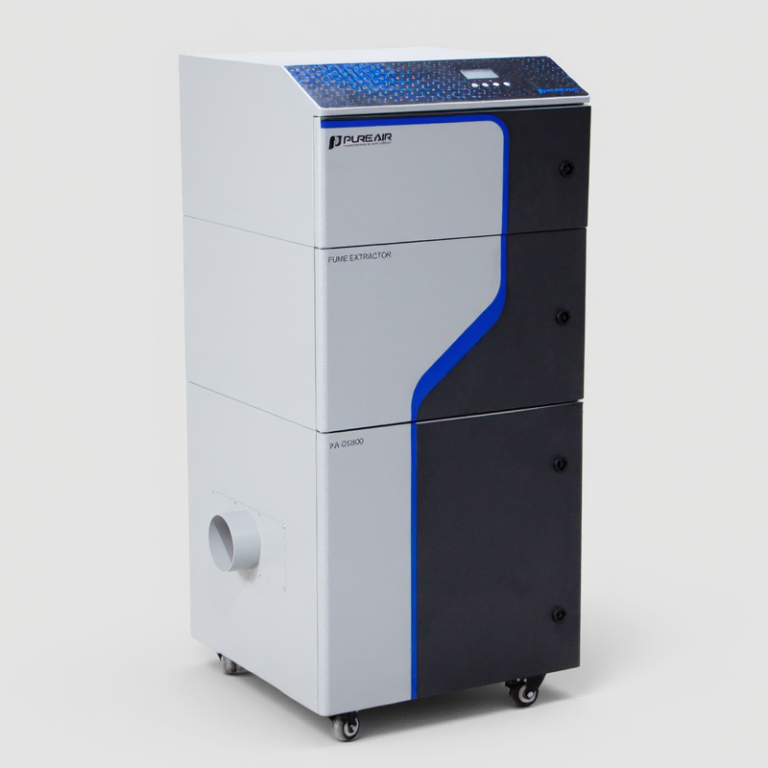
I want to point straight to a problem I see all the time: many shops buy extraction systems that sound good on paper but fall short in real use. If you’re working with high-speed engraving or marking on coated parts, the typical unit struggles to capture fine particulates and VOCs efficiently. For deeper context, consider the fiber laser marking fume extractor — systems like this aim to bridge lab specs and workshop reality, but not all implementations succeed.
Two main technical gaps show up repeatedly. First, airflow management: too low, and fumes escape; too high, and you waste energy and blow dust into other areas. Second, filter strategy: many designs rely on a single-stage HEPA filter without a prefilter or activated carbon bed, so filters clog fast and VOC removal is poor. Add in weak seals and improper ducting, and you have a noisy system that underperforms. Look, it’s simpler than you think — good capture hood geometry, staged filtration (prefilter + HEPA + activated carbon), and matched fan curves are the basics. In practice, I often recommend adding a dedicated pressure gauge and airflow velocity sensor to monitor real performance rather than trusting manufacturer specs.
What fails first in the field?
Short answer: seals, prefilters, and improper mounting. Those are the cheap things that break your ROI.
Forward View: New Principles and Practical Choices for Better Results
Now I want to shift from diagnosis to what actually works. Emerging units take a systems approach: they balance capture hood design, modular filtration, and smart airflow control. When you evaluate a fiber laser marking fume extractor, I advise looking beyond raw CFM numbers. Check whether the unit uses staged filtration (prefilter, HEPA, activated carbon), whether it measures differential pressure across filters, and if it supports easy filter swaps. Those are real features that cut maintenance time and keep VOCs down.
Technically speaking, new designs favor variable-speed blowers with closed-loop control, which match suction to job load and save energy. They also add sensors for particulate matter and VOCs so you can set alarms before performance degrades. This combination — smart controls, staged filters, and well-shaped capture hoods — reduces downtime and keeps surface finishes consistent. — funny how that works, right? From what I’ve implemented, the result is fewer filter changes, better air quality, and a steadier production line.
What’s Next for Workshops?
Looking ahead, I expect more integration: local air monitoring tied to extraction control, predictive filter replacement (based on pressure trends), and quieter, more compact units. For buyers, here are three practical metrics I use when comparing systems: 1) capture efficiency at the nozzle or hood (measured at job level), 2) differential pressure patterns over time (how quickly the prefilter loads), and 3) VOC breakthrough time for the activated carbon stage. Evaluate those, and you’ll avoid the common traps.
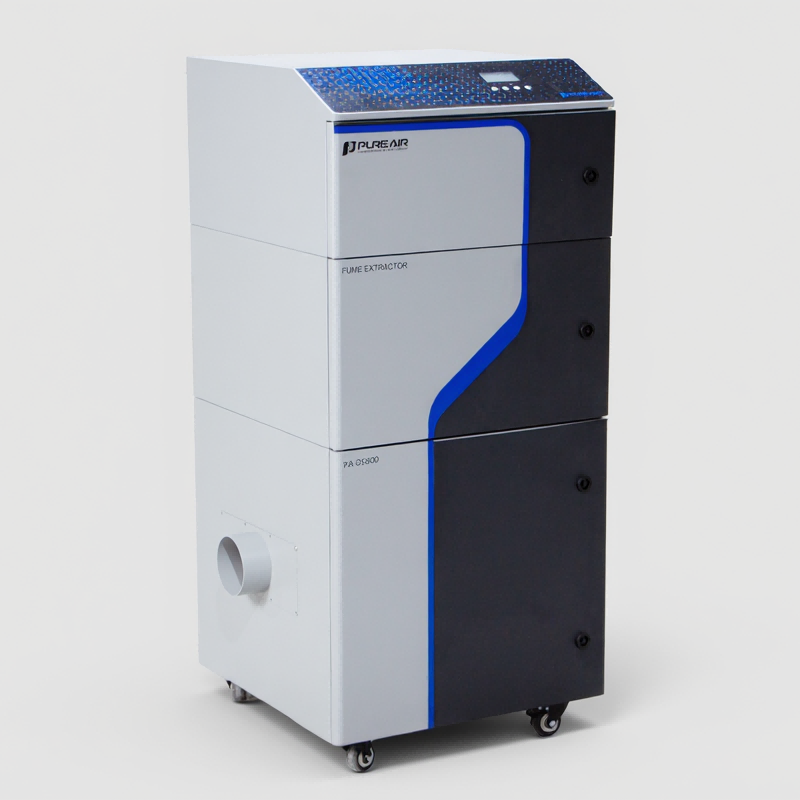
To wrap up, I’ll be candid: selecting the right unit is partly technical and partly judgement. You need to weigh airflow dynamics, filter staging, and real-world monitoring. I’ve seen suppliers promise miracle filtration — and then watch their units sputter after a month. Trust systems that give you measurable data and easy maintenance. If you want a solid starting point, consider solutions from PURE-AIR — they tend to combine sensible engineering with practical service options, which makes life on the shop floor a lot easier.