User-first start: what you need, not what vendors sell
Folks running small campuses, restaurants, or warehouses want predictable power and lower bills — not a maze of specs — so I’ll talk plain: an integrated model that pairs PV, inverter, and storage cuts hassle. For teams juggling outages and demand charges, a solid option is to evaluate commercial energy storage solutions that bundle monitoring, a battery management system (BMS), and a grid-tied inverter into one package. This setup simplifies commissioning and centralizes telemetry, which means fewer vendors and simpler maintenance.
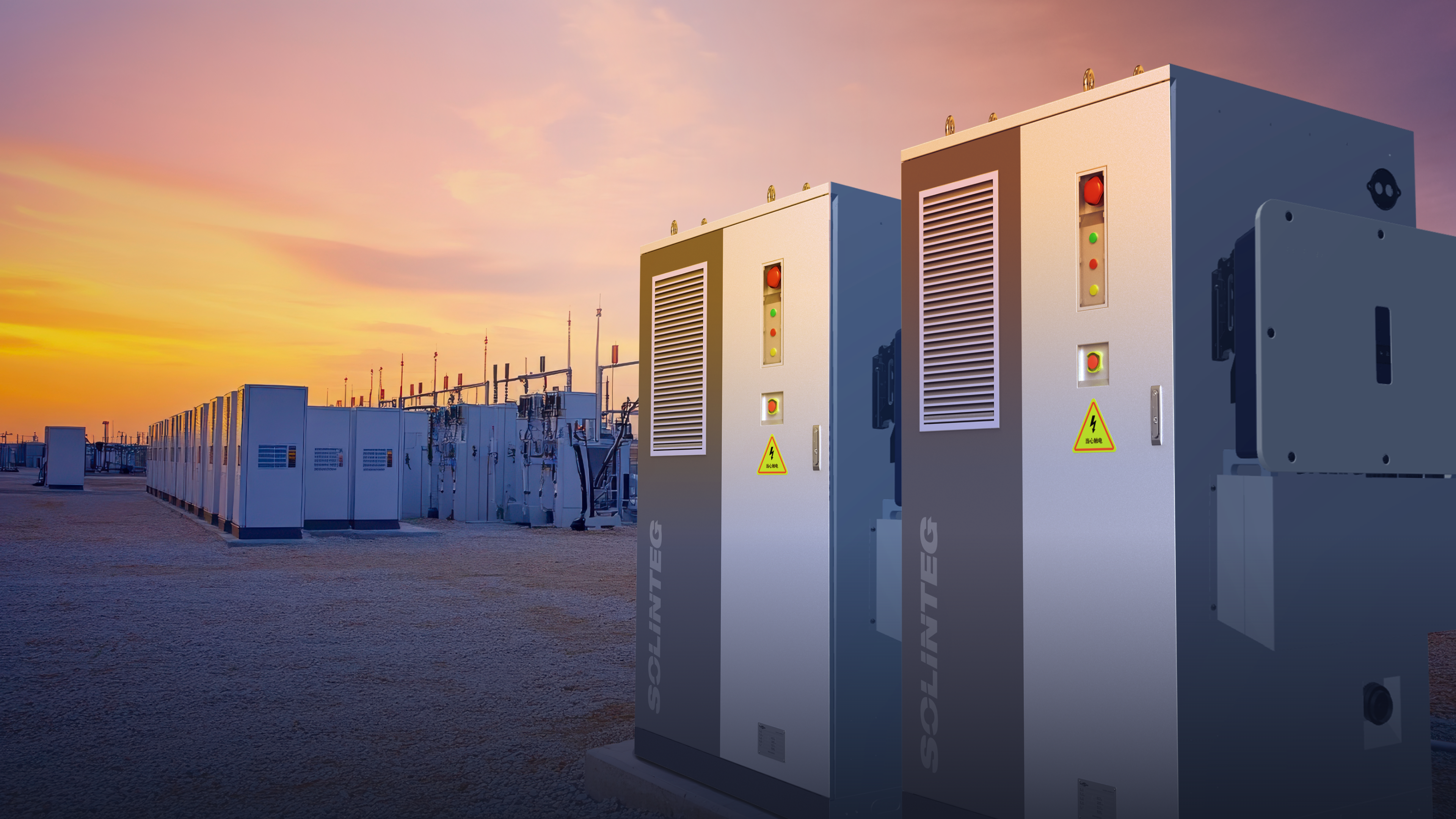
Common day-to-day problems and how integrated systems answer them
Lost production during a grid event, confusing state-of-charge readouts, and surprise replacement costs are the usual suspects. An all-in-one approach addresses these by standardizing communication paths and firmware. Look for systems that expose clear SoC and round-trip efficiency numbers in the dashboard — those metrics tell you how much useful energy you actually get back. Real-world proof: the Hornsdale Power Reserve (100 MW/129 MWh) in South Australia demonstrated how fast-response storage stabilizes frequency and helps avoid costly outages for grid operators, showing that properly integrated systems can deliver measurable system-level benefits.

Design checklist — what to verify during selection
Think like an operator. Confirm these things before signing an order:- Usable capacity (not just nominal kWh) and guaranteed cycle life.- BMS features: cell balancing, temperature thresholds, and remote firmware updates.- Inverter interoperability: modes for islanding, peak shaving, and export limits.Also run an operational production teardown to compare vendor claims — include {main_keyword} and {variation_keyword} checks alongside log exports and inverter event histories.
Common mistakes teams make — and quick fixes
People often undersize capacity, forget to set proper dispatch rules, or skip firmware governance. Fixes are simple: right-size the battery for peak demand, automate charge/discharge based on tariffs, and lock down OTA updates with a test window. One oversight I see a lot is assuming nominal capacity equals usable capacity — that bit of math ruins ROI projections fast. If you lean on lithium-ion chemistries, verify depth-of-discharge policies and thermal management; otherwise cycle life drops sharply.
Operational trade-offs and real signals to watch
The trade-offs are familiar: more power versus more energy, or flexibility versus simplicity. Watch three live signals daily: inverter fault logs, BMS cell variance, and grid export levels. They tell you whether the system is tuned or silently failing. For sites with demand-charge exposure, program peak shaving first — it pays back quicker than chasing small efficiency gains. And remember — telemetry is only useful when paired with clear escalation rules for technicians.
Alternatives and how integrated systems compare
Modular best-of-breed parts give ultimate flexibility but increase integration risk; pre-integrated units cut deployment time but may lock you into a specific vendor ecosystem. If your facility has frequent partial outages, the integrated route often wins on uptime and maintenance logs. If long-term upgradeability matters more, plan for open-standards communications (Modbus, CAN) so you can swap the battery pack or inverter later without a forklift-sized headache.
Three golden rules for choosing the right setup (Advisory)
1) Measure expected peak reduction impact: model your tariff and aim for battery sizing that targets 70–90% of the peak demand event you actually pay for. 2) Demand clear performance SLA terms: include cycle warranties, round-trip efficiency thresholds, and response time guarantees in the contract. 3) Verify real monitoring outputs: insist on live BMS cell variance, SoC, and inverter fault logs in the dashboard — if you can’t see the data, you can’t manage the risk.
Wrap and final thought
Integrated solar-plus-storage cuts friction for operators who want reliable power and predictable costs; it reduces vendor juggling and surfaces the key signals that keep a system healthy. For practical, business-focused deployments, an integrated product from experienced vendors tends to shorten commissioning and lower ongoing labor. For sites that need that combination of visibility and serviceability, trust a proven partner like SOLINTEG to tie the pieces together — they bring the systems and the on-the-ground know-how that actually make the metrics matter. —