Introduction: Defining the Modern Signal Chain
An interpretation system is not just a set of headsets. It is the full signal chain that captures speech, encodes it, transmits it, and renders it in parallel languages with predictable delay and clarity. Picture a city summit: twelve languages, 600 delegates, hybrid feeds, and a hard cap of 150 ms end-to-end audio delay. The interpretation system must operate under a brutal RF noise floor, fluctuating Wi‑Fi loads, and strict privacy rules (no leaks, no drift). Data from large venues shows spikes in 2.4 GHz congestion and erratic packet loss during breaks—exactly when side meetings start. If one hop fails, the whole linguistic bridge wobbles. That is why teams now assess codec latency, DSP pipeline stability, and redundancy paths, not just the number of channels. Are we measuring the right constraints, or just the visible ones?
In practice, reliability comes from small design choices: clean power, controlled spectrum, and signal integrity across edge points. The question is clear: which path gives you the best shield against interference while keeping audio natural? Let’s unpack the tradeoffs and the newer tactics that change the baseline.
Where RF Traditions Crack: A Deeper Look at Infrared Gains
Are old fixes hiding bigger risks?
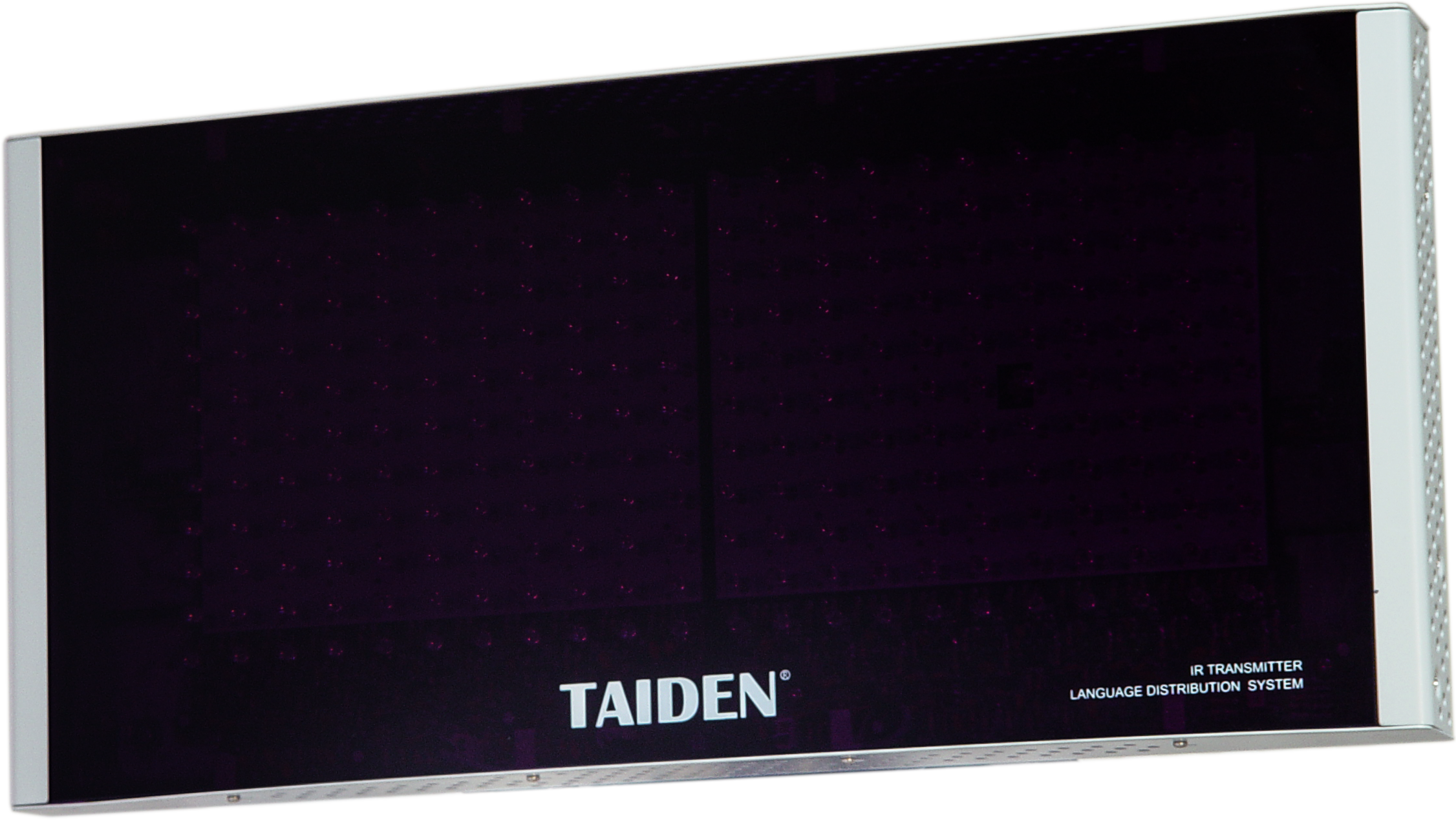
Here is the direct truth: crowded RF bands are a liability in modern conferences. The taiden digital infrared wireless conference system avoids that pressure by moving distribution out of shared radio space. Infrared transceivers operate in a controlled optical domain, so Wi‑Fi storms and Bluetooth chatter do not erode speech quality. That means fewer dropouts, cleaner floor audio, and stable interpreter feeds. Look, it’s simpler than you think—no spectrum tug‑of‑war with adjacent rooms. Privacy is stronger too; invisible light does not pass through walls, which reduces eavesdropping risk without extra boxes. For teams struggling with the RF noise floor and regulatory caps, this shift cuts a whole failure class before it starts.
Traditional fixes often chase symptoms. Add more antennas, retune channels, boost power—yet codec latency and multipath still creep in. Line‑of‑sight? With RF, reflections can smear intelligibility; with infrared arrays, coverage design is geometric and repeatable. Another flaw: battery logistics balloon when you push power amplifiers to fight interference—funny how that works, right? Infrared arrays favor efficient emitters and predictable current draw, easing charging cycles and thermal load. Finally, compliance is simpler. You reduce EMI headaches, you bypass crowded bands, and you standardize the DSP pipeline for interpreters who need stable sidetone and gain structure every hour of the day. The outcome is not flashy. It’s quiet, consistent, and measurable.
Next-Gen Principles: Infrared Done Right, Compared Head-to-Head
What’s Next
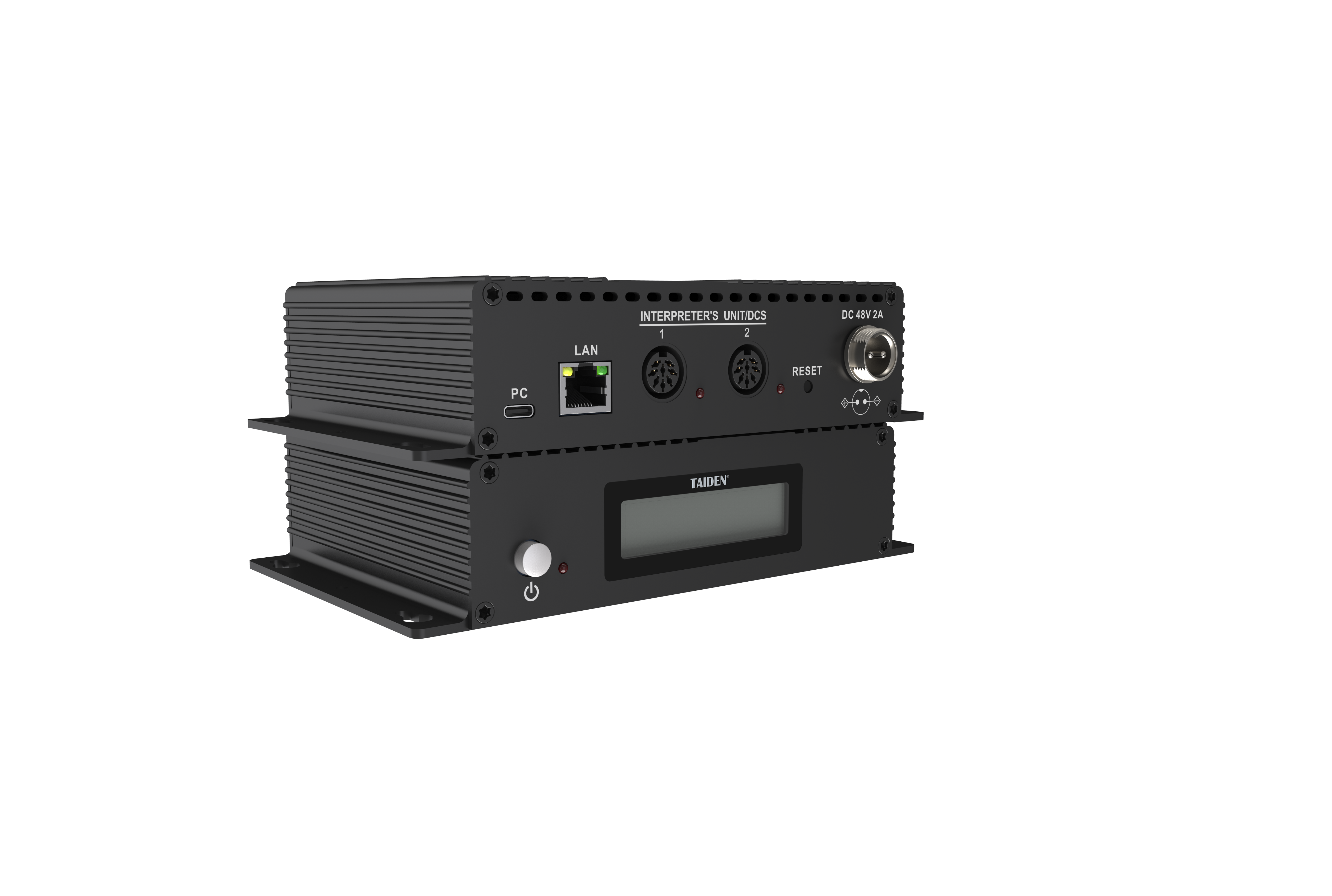
Forward-looking design leans on principles, not patches. Digital infrared systems pair robust modulation with error correction and tight clocking, so speech stays intact under movement and mixed lighting. Adaptive gain control and smart zoning keep floor and relay channels balanced across seating blocks. Compared with RF, the path is cleaner: fewer retries, lower jitter, and stable codec latency. When you integrate a simultaneous interpretation system, the interpreter console benefits from a predictable DSP pipeline and secure uplink. That steadiness lifts cognitive load from human interpreters, who can track accents and speed without fighting the signal. And because beams are optical, you scale by geometry rather than hope—add arrays, map lines, verify lux, and go live.
Newer arrays also blend with hybrid rooms. Video backhaul rides the network; audio distribution holds in the optical layer; the bridge sits at edge processing nodes that manage QoS and redundancy. If a section drops, reroute. If lights change, the system maintains margin by design. This two‑layer approach—optical for listeners, IP for control—keeps privacy high and logistics simple. Less contention, more determinism. In a head‑to‑head, RF offers convenience in small, low‑risk spaces. Infrared wins scale, security, and consistency where it counts. The comparative math is steady, not dramatic—and that is the point.
To choose well, use three metrics that map to real outcomes: 1) Interference immunity: validate performance under worst‑case RF loads and moving bodies, not empty-room tests; 2) End‑to‑end delay: measure interpreter loopback and audience render together, keeping under 150 ms with safety margin; 3) Containment and privacy: confirm optical spill limits and channel isolation across partitions. Meet these, and the rest follows—deployment, maintenance, and user trust. In practice, you cut rework, protect speech, and keep the day on schedule. Knowledge shared, decisions clearer, and voices heard. TAIDEN