Introduction
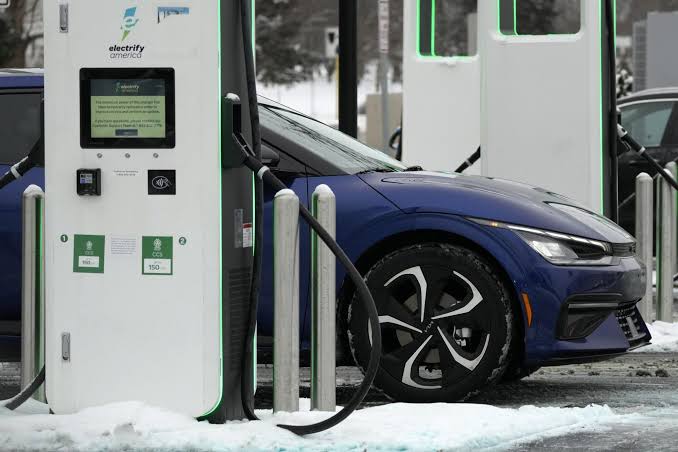
Picture dis: yuh pull up to a charger in Kingston, the screen blink off, and the queue behind yuh mutterin’—not a good look for anyone. An ev power charging station is supposed to be a simple stop on a journey, yet downtime and slow charging are still common (trust mi, I’ve been there). Recent figures show that customer frustration spikes when uptime falls below 95% — and that has real effect on adoption and trust. So how we change the experience so drivers don’t have to plan for failure?
I’ll walk yuh through what I’ve seen work, where the usual fixes fall short, and practical measures — concrete ideas you can test—and why user-focused design matters more than ever. Ready? Let’s move to the nuts and bolts.
Why Current Fixes Fail: The Hidden Flaws
ev charging station supplier options often advertise resilience, but I’ve noticed a pattern: vendors patch symptoms, not cause. Many deployments rely on generic firmware updates and reactive maintenance. That keeps stations running some days, but not consistently. Faulty assumptions about user behavior, weak edge diagnostics, and overloaded power converters create recurring breaks. Look, it’s simpler than you think—if you fix the root, the rest follows.
What’s missing?
First, operators underweight real-time telemetry. If your site lacks edge computing nodes that run local diagnostics, you’re blind to transient faults. Second, interoperability gaps (OCPP mismatches, proprietary connectors) trip up roaming and billing, so drivers face random failures. Third, the human side—poor UX for error messages or unclear signage—means users can’t troubleshoot small issues themselves. I’ve watched stations sit idle because a simple restart prompt never reached the driver. That’s painful, and entirely preventable.
What I Recommend Next: New Principles and Practical Upgrades
Moving forward, we need to adopt a layered approach. I’m talking about combining smarter hardware with clearer user flows and predictive analytics. For hardware: spec DC fast chargers and power converters that support remote parameter adjustments. For software: implement local edge computing nodes that pre-validate sessions and run basic fault isolation before handing control to the cloud. — funny how that works, right?

What’s Next?
In practice, I’d start with a pilot: pick three sites with different load profiles, connect them to an OCPP-compliant backend, and enable smart metering plus real-time alerts. Measure the time-to-repair, failed-session rate, and user satisfaction. We’ll see which upgrades yield quick wins (often UX fixes and remote resets) and which need deeper investment (battery management systems, grid upgrades). Over time, this method reduces downtime and keeps drivers confident.
Practical Metrics and Final Thoughts
When you evaluate solutions, I recommend three clear metrics: uptime percentage over 30 days, mean time to recovery (MTTR), and successful session rate (sessions that start and complete without intervention). Use those numbers to compare vendors and to decide when to scale pilots. I’ve used these metrics with operators and they cut debate—result-driven, straightforward. Also consider maintenance cadence and whether your ev charger supplier (ev charger supplier) provides remote diagnostics and rapid parts replacement.
In the end, this is about people as much as tech. Drivers want chargers that work and teams want predictable operations. Combine better hardware (robust power converters, DC fast chargers), local intelligence (edge nodes), and clearer user communication, and you’ll see measurable improvement — quicker than you expect. We’ve seen it happen; small pilots scale well when they focus on the user. — funny how that works, right?
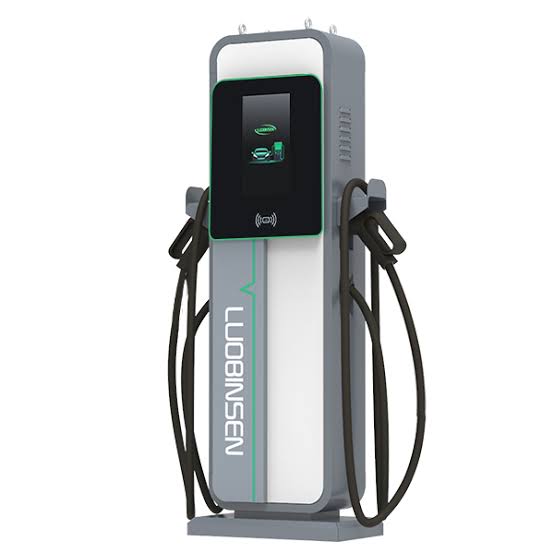
For reliable supply and integrated solutions, consider partners who understand both field operations and user experience. For a supplier that blends those strengths, see Luobisnen.