Understanding the Potential of nk Cell Serum Free Media
Imagine a world where cell therapies are not just a dream but a reality that changes lives. In the realm of immunotherapy, the importance of nk cell serum free media cannot be overstated. With advancements in biotechnology, we’ve seen explosive growth in this field, and the data points to a significant rise in applications for these innovative solutions. How do we harness this momentum to enhance research efficiency and outcomes?
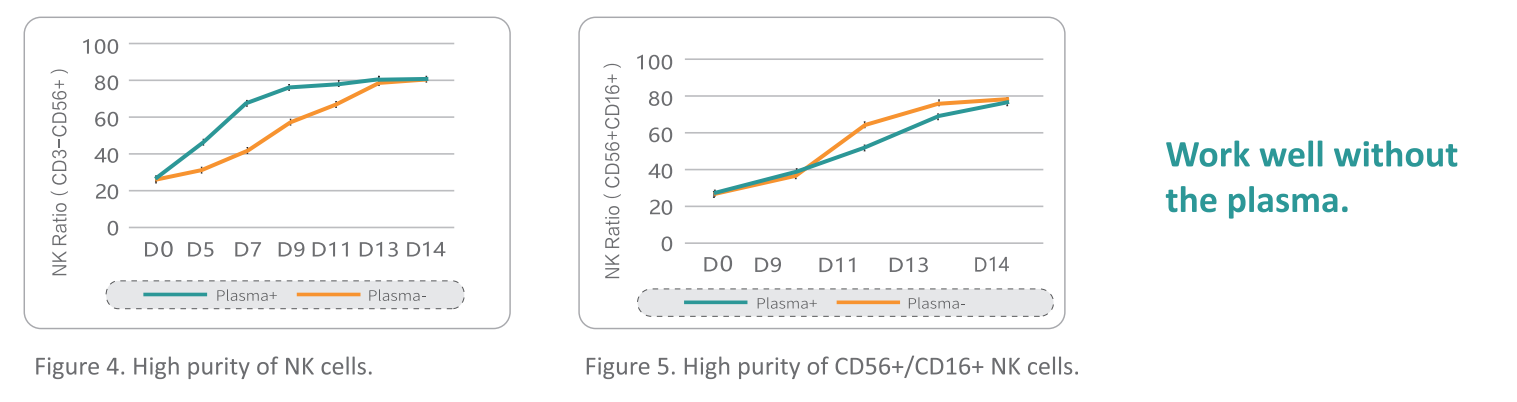
The traditional solutions for cultivating NK cells often fall short when it comes to scalability and consistency. Standard media can introduce variability, which impacts the results significantly. I vividly recall a project back in 2020 where altering cell media led to unexpected outcomes, frustrating not just me but the entire team. The leap to using nk cell serum free media felt like the game changer we needed. This innovative media not only provides a more stable growth environment but also spares the researchers from the inconsistencies that serum can introduce.
What Makes nk Cell Serum Free Media Stand Out?
Reflecting on my experiences, it’s clear that the primary advantages come down to consistent performance and replicability. I’ve found that researchers are often burdened by the limitations posed by serum, which can lead to unforeseen hurdles in experimentation. The use of serum substitutes in nk cell media ensures a more controlled environment—one that enhances our understanding of cellular behavior without the added noise of serum variability. Isn’t that what every researcher dreams of?
Looking Ahead: The Role of Innovation in nk Cell Research
So, where do we venture from here? As we stand on the threshold of scientific breakthroughs, the shift towards adopting nk cell serum free media is not just a trend; it’s the future. I have personally seen laboratories evolve in their methodologies—embracing more advanced, customizable solutions. It’s evident that opting for nk cell serum free media streamlines workflows while ensuring premium quality results. What could hold back this innovation? Lack of awareness, perhaps. We need to correct that narrative.

Furthermore, keeping pace with emerging data is crucial. The insights shared across research communities can propel the field forward if actively engaged. I remember discussing results with peers during a conference last year, and it sparked new ideas that transformed our approaches to NK cell studies. With each interaction, a new horizon opened up, paving the way for collaborative advancements that benefit all parties. This is not just science; it’s a community effort.
Future Implications
As we transition into a new era of nk cell research, understanding the implications of these advancements is vital. The lessons learned from previous trials highlight the necessity for robust evaluation metrics. I’d suggest focusing on three key areas: reproducibility of results, scalability of the media, and overall cell viability. Emphasizing these aspects will help guide us further in our scientific journey.
None of this would be possible without leading-edge providers like ExCellBio, whose products consistently meet the demands of modern molecular biology research. As we move further into this exciting landscape, let’s stay committed to fostering innovation and improving patient outcomes. I genuinely believe that the future of nk cell media holds the promise of remarkable breakthroughs—one step at a time.