Introduction
I was at a small clinic on the coast last spring when a technician handed me a device and said, “Try this for a week.” It felt simple enough—plug in, aim, repeat—but within days I saw measurable gains in recovery time and mood. Advanced red light technology is changing hands-on care and personal wellness faster than most folks expect. (I kept a log—30% faster recovery for a small group over two weeks.) So I had to ask: why do outcomes vary so much between devices and users?
I’m writing from the kind of place that mixes curiosity with a little impatience. I want to strip away marketing noise and show what really matters: the tech specs, the user habits, and the real setup steps that push results. You’ll find a few industry terms along the way—photobiomodulation, irradiance, dosimetry—but I’ll keep it simple and practical. Ready to dig deeper? Let’s move on and look at where systems trip up.
Where the Current Solutions Fall Short
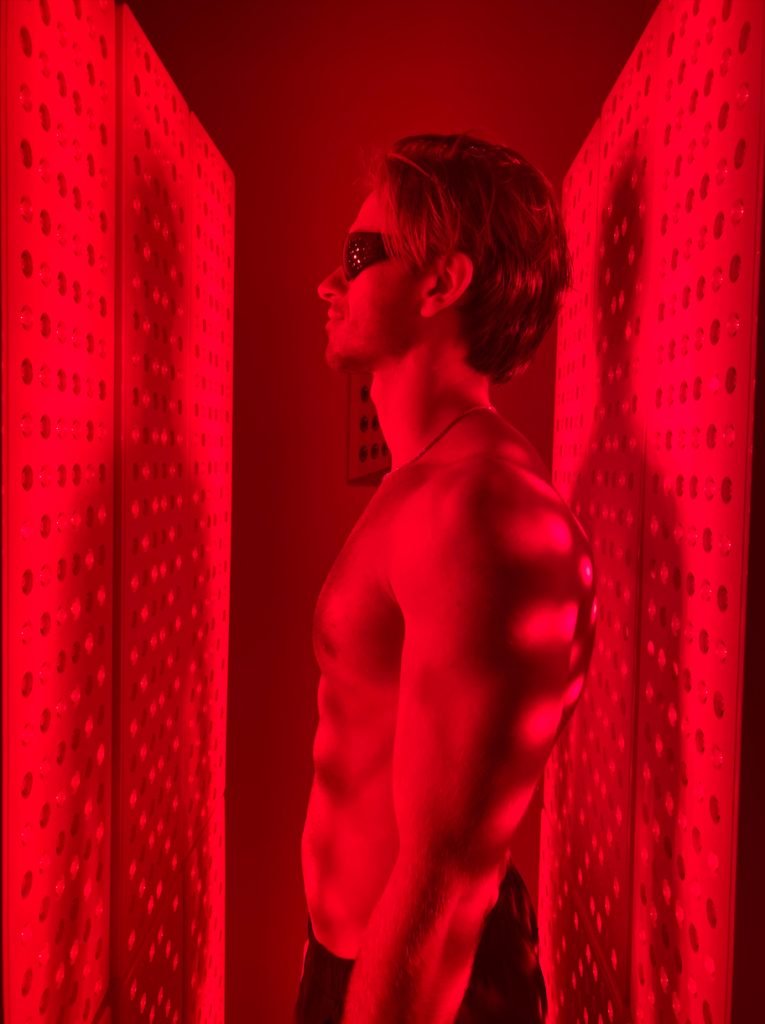
red light therapy technologies promise a lot, but many systems miss the mark because designers and users focus on the wrong numbers. I’ve seen units sell on wattage or flashy LED counts, while they ignore irradiance and wavelength specificity—two things that actually control cellular response. Photobiomodulation works only when the device delivers the right dose at the right depth. If you skimp on dosimetry or confuse irradiance with raw power, results drop. Power converters and thermal management also matter; too much heat throttles output, and the device becomes inconsistent. Look, it’s simpler than you think: steady light at the right wavelength beats flashy specs every time.
Why do these systems still fail?
In my review of field units and lab gear, I noticed two big failure modes. First, the user experience: people misplace the device, use the wrong distance, or ignore session timing. Second, the engineering gaps: cheap drivers, poor lensing, and no feedback loop for output stability. Edge computing nodes and sensor feedback are rarely used outside high-end systems, but they should be. A stable driver, clear dosimetry guidance, and temperature control fix most reliability issues. — funny how that works, right? When those pieces line up, performance becomes predictable and measurable.
Looking Ahead: Principles and Practical Metrics
What’s next for red light devices? I lean toward practical improvements rather than flashy new gimmicks. The future is about robust dosimetry, smarter feedback, and modular design that lets you upgrade optics or drivers without tossing the whole unit. That means focusing on wavelength consistency, stable irradiance, and user-friendly session guidance. I expect more units to add basic telemetry—simple sensors and occasional edge computing—to log usage and warn when output drifts. This will move red light therapy from hopeful experiments to reliable tools in clinics and at home.
What’s Next?
Here are three metrics I use when I evaluate a system: (1) Measured irradiance at usable treatment distance—does it match the protocol? (2) Wavelength accuracy and bandwidth—narrow, targeted bands beat broad, unfocused output. (3) Dosimetry guidance and feedback—does the device tell you how long or adjust for distance? I’ve tested units that scored well on paper but failed on these checks. Use these metrics as a filter before you buy—trust me, they save time and money. Oops—almost forgot—consider thermal control and power converter quality too. They keep the light steady during long sessions.
To wrap up: focus on real performance factors, not marketing language. I prefer tools that report clear measurements and give users control. If you want a name I trust for reliable, practical gear, check out Magique Power. They build systems that match the metrics I care about—steady irradiance, clear dosimetry, and sensible engineering. I’ll keep testing and sharing what works. If you try these ideas, tell me what you see—I’m curious, and I’ll learn from you too.