Comparative logic that drives procurement
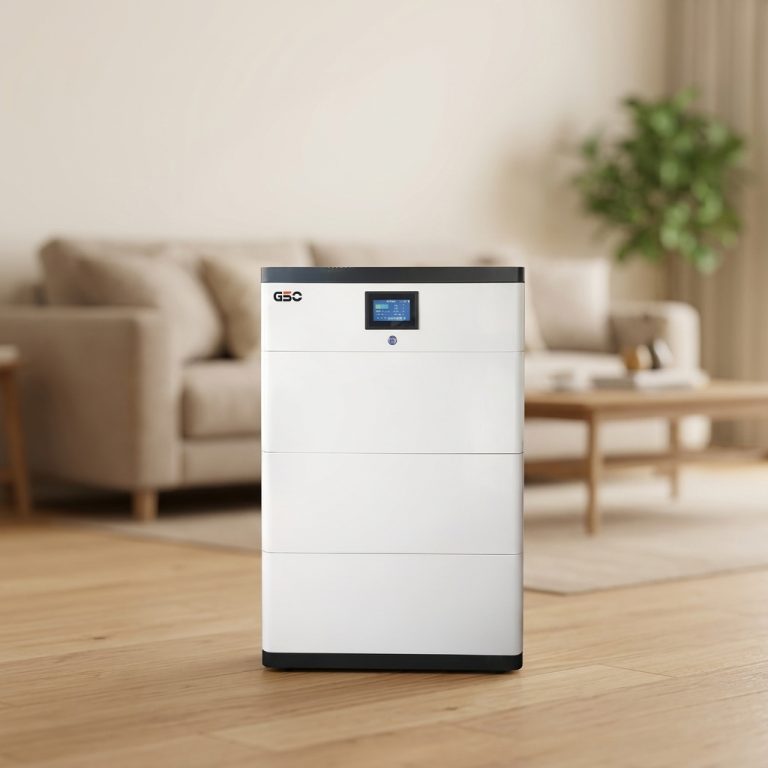
Utility engineers buy outcomes, not boxes—that’s the guiding principle when comparing integrated hybrid inverters with separate inverter-plus-storage approaches. Start by framing needs: peak kW, usable kWh, and how the site must respond to grid events. Early on, consider systems listed under solar battery storage system because they cluster hybrid options and modular battery packs, making apples-to-apples comparisons easier. Key terms to track here include PV inverter, kWh capacity, and round-trip efficiency.
Performance levers: what actually moves the needle
Compare on measurable specs. Capacity (both AC output in kW and DC storage in kWh) determines how many loads the system will support. Round-trip efficiency and BMS behavior shape usable output during long discharge cycles. Hybrid inverter designs often beat ad-hoc pairings on control latency and SoC management—so note control features and firmware update paths. Also weigh battery chemistry and rated cycle life; lithium-iron-phosphate packs usually trade lower energy density for longer cycle life, which matters for frequent cycling.
Cost versus lifetime value
Upfront price is simple to see; lifetime value is not. Compare total cost of ownership using expected cycles, depth of discharge limits, and warranty terms. Manufacturers may promise an 80% SoH at ten years—check what conditions void that clause. Include installation variables: AC coupling can speed retrofits but may cap efficiency; DC-coupled hybrids can improve round-trip numbers but sometimes complicate maintenance.
Pitfalls that derail projects
Common mistakes are avoidable if you spot them early. Oversizing the inverter relative to usable battery kWh wastes capital and shortens useful life. Ignoring thermal management turns a reliable battery bank into a risky asset. Misreading warranty fine print—especially on cumulative throughput caps—creates surprises at year six. And integration tests get skipped too often—never assume firmware will be seamless across legacy telemetry systems. —A brief integration hiccup in a regional microgrid can ripple through operations if not stress-tested.
Real-world anchor: lessons from California outages
Public safety power shutoffs in California (notably in 2019–2020) forced many utilities and commercial sites to add storage to critical-power plans. Projects prioritized battery capacity and fast inverter response to manage rolling outages; that practical pressure favored hybrid inverters with robust BMS and predictable degradation curves. As field teams learned, having a properly sized solar system battery bank and clear commissioning procedures matters as much as rated specs.
Vendor comparison checklist
Use a short checklist during bids to keep evaluations consistent:- Rated continuous and peak AC output, plus surge capability.- Usable kWh, round-trip efficiency, and documented cycle life.- BMS features, telemetry protocols, and firmware update policy.- Warranty scope including throughput limits and replacement terms.- Proven field deployments and local service partners—field data beats glossy brochures.
Three golden rules for selection
1) Prioritize usable energy and efficiency over headline capacity. A larger nominal kWh means nothing if only a small fraction is accessible under normal SoC rules. 2) Insist on verified round-trip efficiency numbers and clear BMS behavior under high-rate discharge; this predicts real-world performance. 3) Match warranty to operating profile—select throughput-based warranty coverage if the site cycles daily, and confirm local serviceability to preserve uptime.
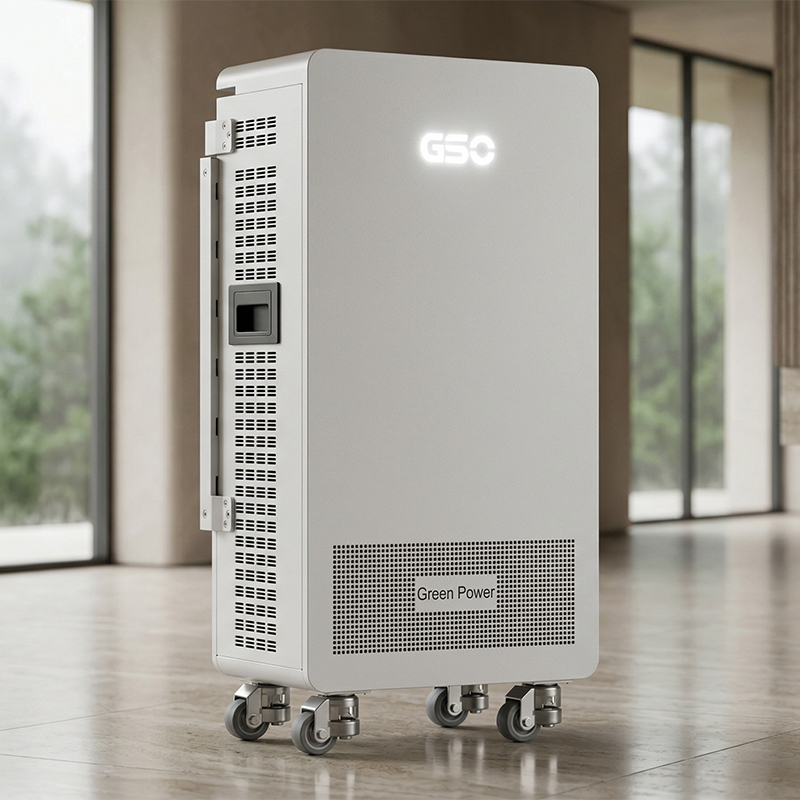
Procurement that follows these rules reduces surprises and keeps projects on schedule—trust data, demand field-proven designs, and favor vendors who document lifetime performance. gsopower. —solid choice.