Problem: Contaminants at the Interface
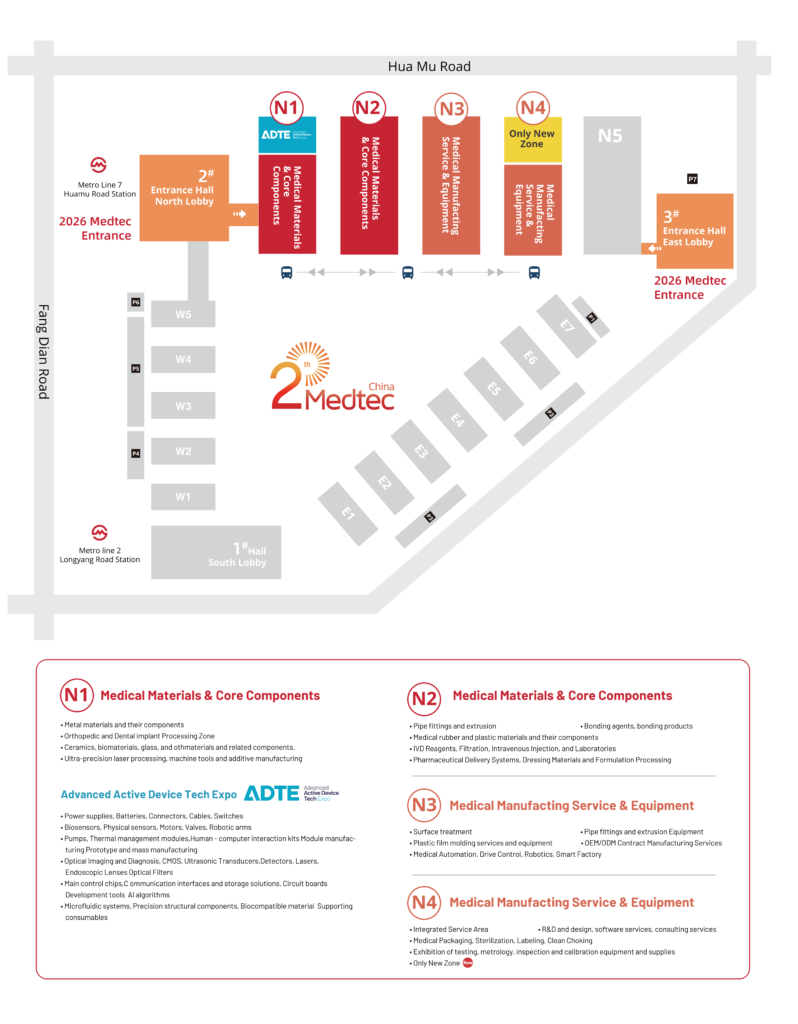
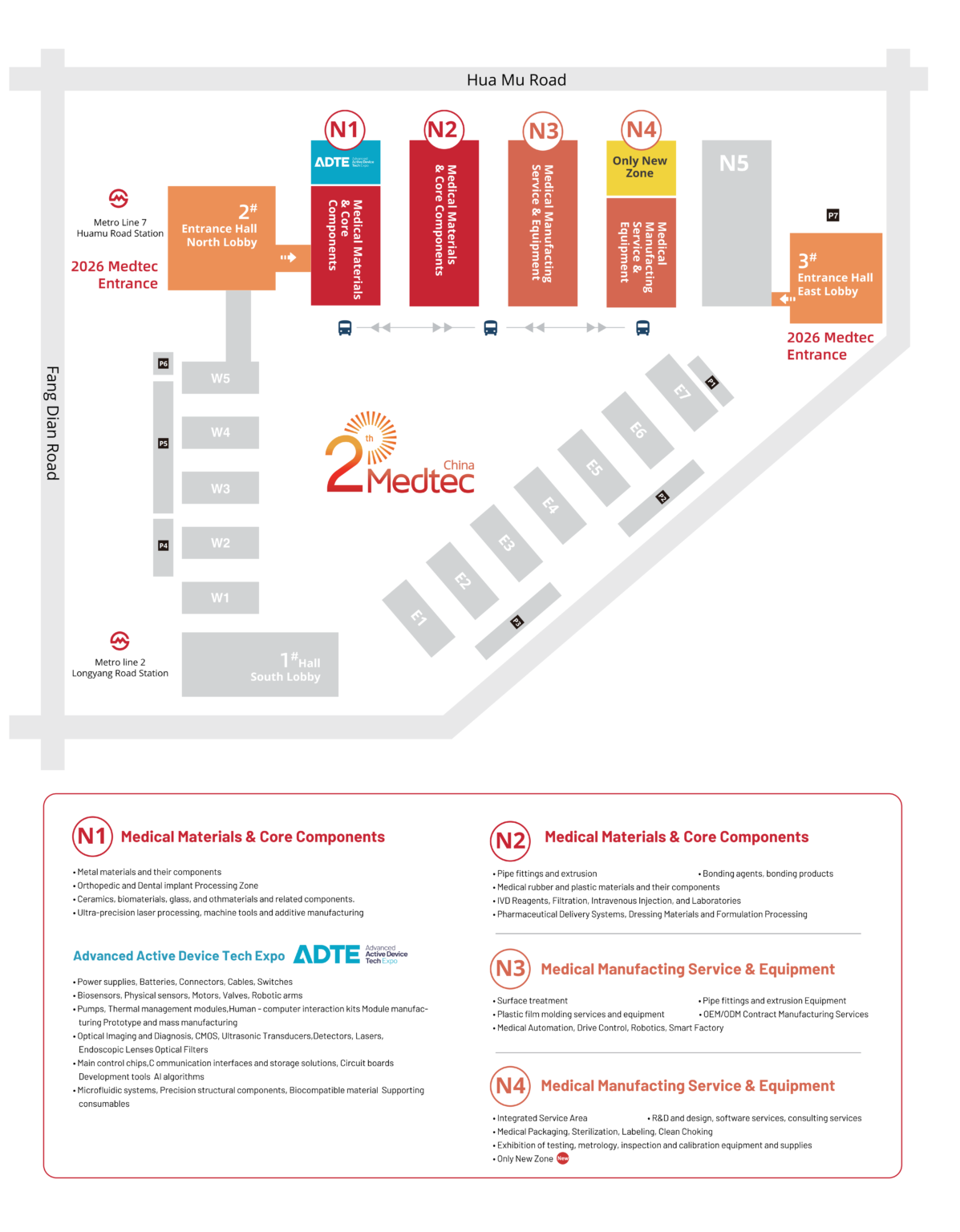
Surgical laser diode modules combine optics, electronics, and polymers in confined assemblies, and that mix creates risk for leachables that compromise biocompatibility. Device engineers and regulatory teams face recurring failures during biological evaluation because polymer extraction, adhesives, or coating residues migrate into surgical fields. Practical conversations at the international medical expo highlighted how design decisions made for thermal or optical performance often increase chemical exposure risks; the same sessions at Medtec live in Shanghai showed suppliers and OEMs aligning on test protocols and material sourcing to close gaps.
Where Leachables Come From
Leachables originate from several predictable sources: polymerizers and plasticizers in housings, uncured adhesives at seals, flux residues on printed circuit boards, and surface treatments used for laser-window clarity. These contaminants interact with device fluids or tissue during use and may cause cytotoxicity or interfere with healing. The risk is magnified in laser diode module assemblies where hermetic sealing is limited and thermal cycling promotes migration, so a focus on component-level chemistry is essential.
Design Strategies That Reduce Migration
Start with design constraints that prioritize surface integrity and isolation. Use hermetic sealing where optics allow, minimize polymer interfaces near patient-contact areas, and route heat away from adhesive bonds. Material substitution matters: select low-extractable silicones, fluoropolymers, or glass-to-metal feedthroughs instead of high-plasticizer elastomers when electrical insulation permits. Incorporate a sacrificial barrier—such as an inert coating on the laser window—to trap potential extractables without altering optical output. These choices reduce downstream testing burdens and lower unpredictable leachable profiles.
Materials, Processes, and the Manufacturing Floor
Control of contamination begins in procurement and continues through assembly. Specify extractables data from suppliers and enforce cleanliness during soldering and dispensing. Implement solvent-free cleaning when compatible, and validate cure schedules for adhesives to minimize residual monomers. Do not skimp on biocompatible-grade components—short-term cost savings on non-qualified parts often lead to expensive rework and regulatory delays.
—A simple bench check is often revealing. Regular surface swabs and targeted GC-MS runs on pilot lots find issues long before clinical testing.
Testing, Standards, and Regulatory Anchors
Follow recognized standards: ISO 10993-1 (Biological evaluation of medical devices), ISO 10993-12 (Sample preparation and reference materials), and ISO 10993-18 (Chemical characterization). Perform extractables and leachables (E&L) studies with identified analytical methods—GC-MS, LC-MS, and ICP-MS—as appropriate for organics and inorganics. For cytotoxicity screening, apply ISO 10993-5 methods. Align test plans with FDA biocompatibility guidance and document rationale for route of exposure and contact duration. These anchors streamline submissions and reduce rounds of data requests.
Common Implementation Mistakes
Teams repeatedly underestimate the influence of secondary processes: conformal coatings applied for EMI control can introduce solvents; cleaning agents can leave residues that later appear as leachables. Another frequent error is relying solely on vendor declarations without independent verification—vendor data should inform, not replace, your E&L program. Establish retention samples and analytical baselines on the first build to detect drift over time.
Practical Checklist for Engineers and Program Managers
Adopt a short, prioritized checklist during development:
- Request extractables profiles from material vendors and require certificates of analysis.
- Specify cure and bake steps to reduce residuals before final assembly.
- Design for isolation: place adhesives and polymers away from optical paths and patient-contact zones.
- Define an E&L test plan aligned with ISO 10993 subparts and FDA expectations.
Advisory: Three Golden Rules for Selecting Strategies
1) Prioritize materials with documented low extractables rather than retrofitting after failures. 2) Integrate chemical characterization (ISO 10993-18) early enough to influence part selection and process control. 3) Validate assembly-level cleaning and cure processes with analytical confirmation on pilot lots—do not assume cleanliness.
These rules reduce surprises during biological evaluation and shorten regulatory timelines.
Closing Thought and Value Alignment
For teams shaping surgical laser diode modules, reducing leachables is both an engineering task and a materials science challenge—one that benefits from vendor collaboration, standard-conforming test plans, and early analytical checkpoints. Industry gatherings such as the exhibitions at Shanghai and other hubs provide practical case studies and supplier contacts that accelerate safe, compliant designs; that is where engineering choices meet clinical expectations. Medtec.
—final note.