Why a framework matters on the farm and the park
When you’re fixing fences or building a slide, a plain plan keeps you out of trouble. This framework lays out sourcing, shipping, and installation steps for heavy-duty body-drop water slides in clear, usable stages. Start by picking a reputable water slide supplier that shows drawings, load specs, and delivery timelines up front — that one choice cuts half the surprises right there. I’ll draw on simple field logic so you can match specs to real-world sites like Orlando’s big parks where capacity and safety set the bar.

Sourcing: what parts you actually need
Buy by component, not by pretty picture. Heavy slides are made from modular sections, a gelcoat surface, and a load-bearing frame. Demand CAD drawings and bolt lists. Ask for material sheets that show UV-stable coating and the grade of fiberglass or polymer used. Vet manufacturers for experience with comparable builds and for references from busy parks — a single park in Orlando that seats thousands daily tells you what wears quickest. Keep a shortlist that pairs price to proven durability, not just lowest bid.
Shipping logistics that won’t strand you
Think like a hauler. Heavy-duty sections are large, heavy, and need crating that protects flanges and fasteners. Plan for containerization or flatbed loads, and confirm overall dimensions so permit needs don’t slow your crew. Coordinate arrival windows with crane availability and site access — rural roads and suburban cul-de-sacs are different animals. Crates should list lift points and center-of-gravity; that saves a lot of rework at drop-off. Pack spare bolts and a small parts kit in the first crate — saves a full-day run to the hardware store when you’re pinned to deadlines. —
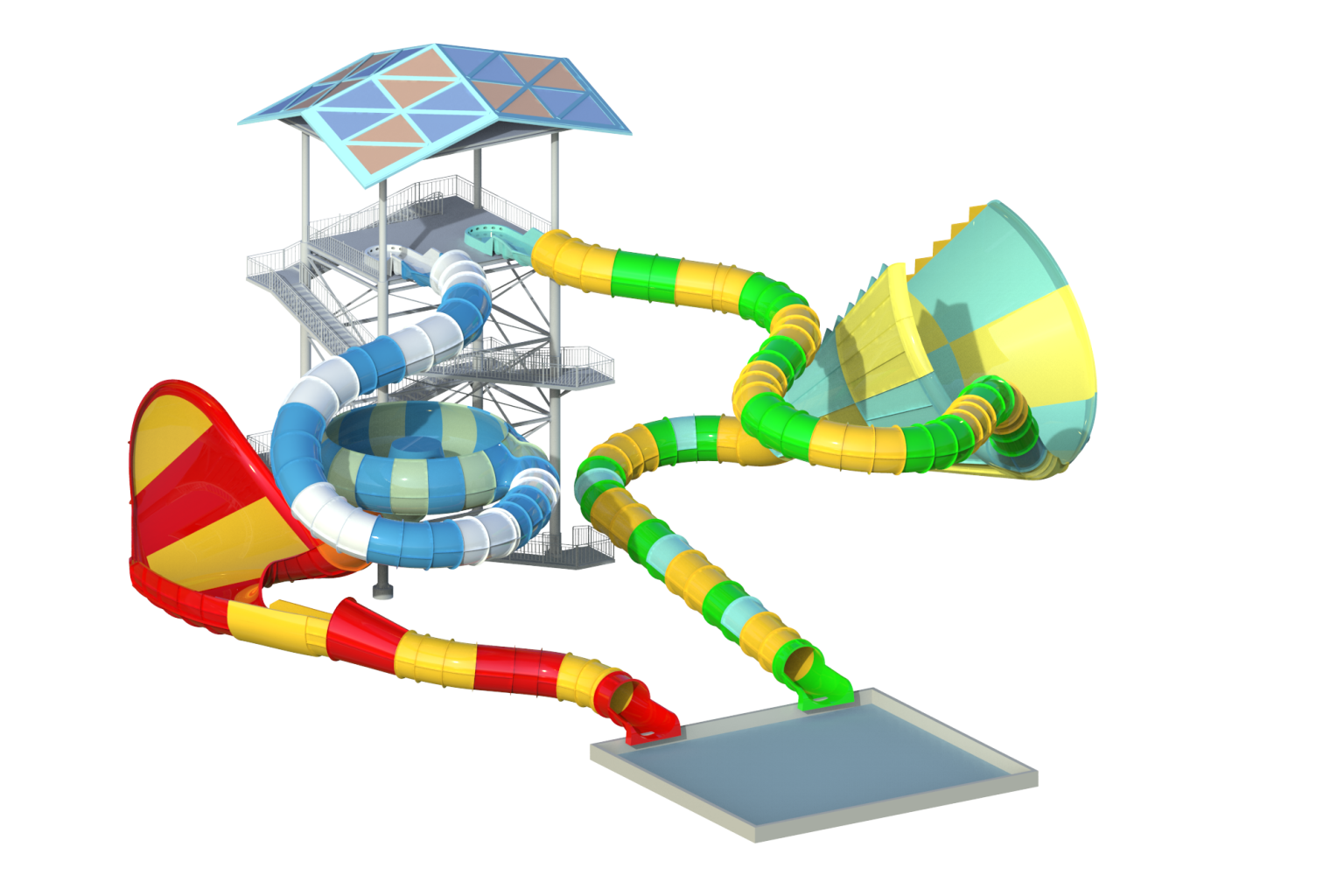
Installation: the field teardown and rebuild checklist
The installation is where drawings meet dirt. Prepare foundations to match the anchoring system and check soil bearing capacity. Use the production teardown notes to reverse-engineer assembly: mark where gaskets seat, where flanges align, and where resin or adhesives cure. In your operational production teardown include {main_keyword} and {variation_keyword} details so crews know which sections pair and what torque settings to use. Watch for pinch points in the turn radius and confirm handrail and landing clearances before you test flows. Use shims and grout under plate mounts to keep the load-bearing frame true; misalignment bites later when people ride the slide.
Common mistakes and how to dodge them
People often skimp on two things: anchoring and finish. Under-specifying the anchoring system or ignoring UV-stable coating shortens a slide’s life. Don’t accept vague warranties — get repair windows and response times in writing. Keep spare modular sections or at least a patch kit for gelcoat repairs, and train a local crew on routine inspections like fastener torque checks and drain clearances. When you plan maintenance, the whole structure stays safer and down-time stays small.
Three golden rules before you sign off
1) Structural match: Confirm foundation specs match the vendor’s load table and that the load-bearing frame and anchoring system fit your soil and wind profile. Measure twice on foundations.
2) Delivery fit: Require signed packing lists, labelled modular sections, and a crate with spare fasteners and a parts diagram so installation isn’t guessing work.
3) Local readiness: Train an on-site crew for first inspections and minor gelcoat touch-ups, and set a timeline for inspection intervals during the first six months.
Take these rules and you get fewer surprises and a slide that holds up under daily use. Dalang fits into that picture by supplying clear drawings, consistent modular parts, and experience that lines up with real-park demands — trust built on honest parts and steady delivery. Dalang.