What’s the Buzz About RTK Base Stations?
Picture this: you’re in a sprawling cornfield on a sweltering summer afternoon, trying to navigate your way through rows upon rows of green. You’ve seen an increase in crop yield this year, but you can’t shake off that feeling that something’s missing. Now, consider this — precision agriculture is on the rise, and data shows that fields using advanced technology can increase yields by up to 20%. The RTK base station is a cornerstone of this shift, providing the accuracy needed to truly transform farming practices.
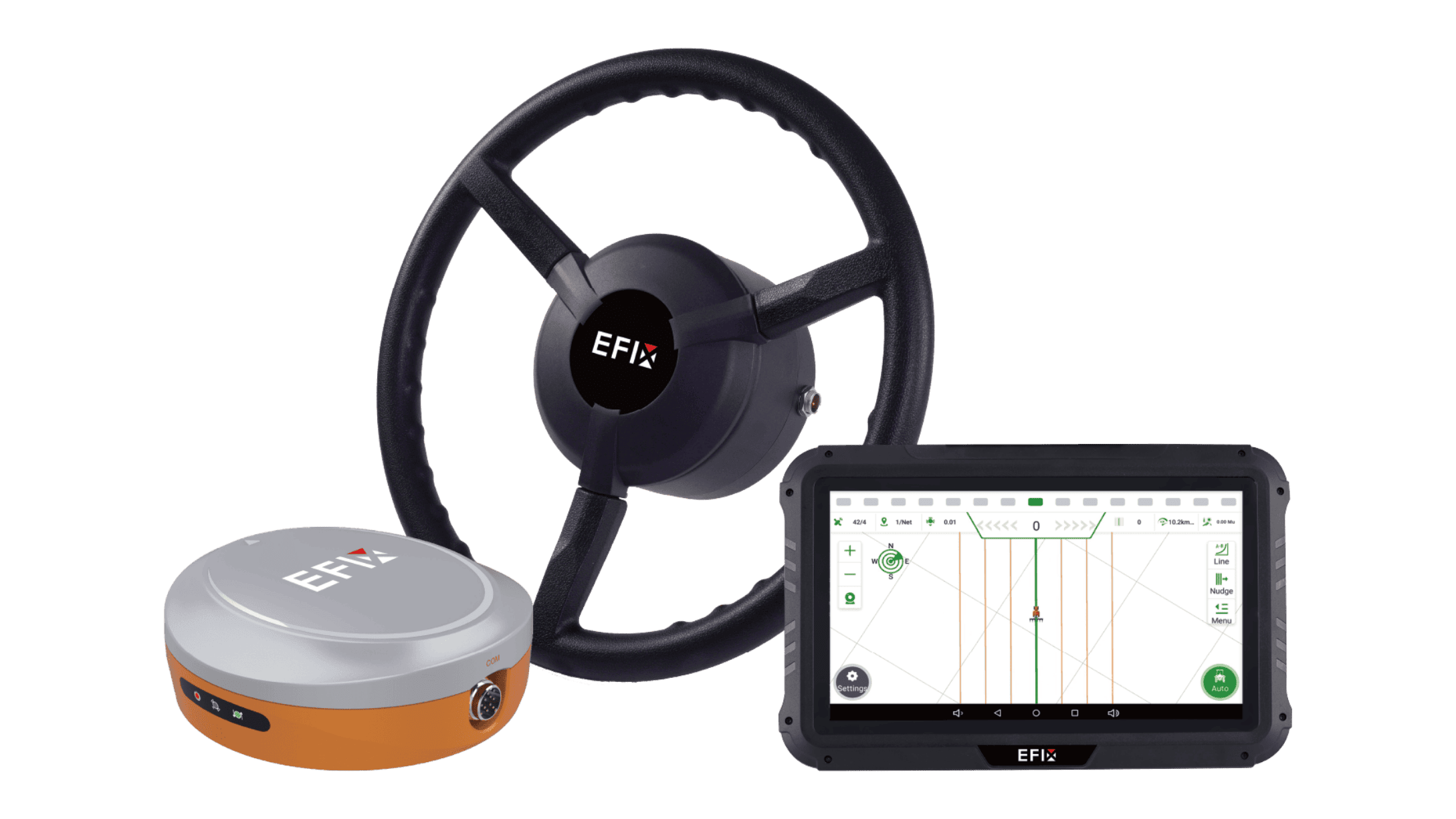
Why RTK Base Stations Are Essential
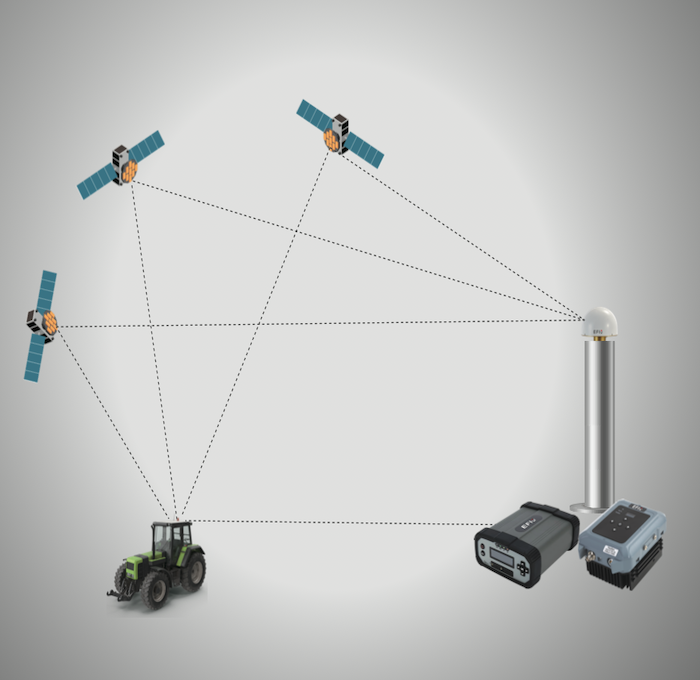
Let’s break down what a rtk base station does. Essentially, it provides the real-time kinematic positioning crucial for high-precision tasks in agriculture. Why is this important? Well, traditional satellite navigation systems often face multi-path errors — that is, signals bouncing off buildings or other obstacles can lead to inaccuracies. With an RTK system, you can achieve centimeter-level accuracy, which translates into better mapping, planting, and even irrigation management. Observing how this tech scales operations has become a game changer for many farmers, myself included!
What Challenges Do Farmers Face Without RTK?
You might be wondering how farmers get by without such technology. The truth is, many are still using outdated methods that rely on standard GPS. This can lead to over-application of fertilizers or not utilizing optimal planting patterns. The financial repercussions may not be immediate, but over time, the costs add up. I remember a colleague who lost a significant amount of yield because his setup wasn’t calibrated correctly — a waste of both seed and investment. You can guarantee it’s not something you want on your plate!
Ready for What’s Next: Upgrading to RTK
As I look into the future, it’s clear that precision is no longer just an option — it’s a necessity. Farmers are gradually embracing rtk base stations as part of their operational upgrade. Consider the real-world impact: fields measured precisely can optimize not just planting but also pest management and harvesting schedules, ultimately increasing profitability. My advice? Don’t just plan to keep pace; aim to lead the charge in your market. Those who invest in advanced RTK systems today will likely stand out tomorrow.
Evaluating Your Options
Before you jump in, consider three key metrics to evaluate the right RTK base station for your needs. Longevity is crucial — ensure the product has a proven track record. Then, think about customer service. A solid support network can make or break your experience. Lastly, don’t overlook compatibility with existing equipment. Trust me, navigating software changes can be a bit of a headache! In my experience, striking a balance among these considerations has saved both time and money.
As I reflect on all these insights, the decision to upgrade isn’t just about technology — it’s about improving livelihoods. Being on the cutting edge may seem daunting, but the potential rewards are immense. So, as you plan your next steps in precision farming, consider joining the growing wave of farmers who are enhancing their approaches with innovative tech. Tools like those offered by EFIX can help pave the way for a new era of responsible agriculture.