A Quick Look at Pain Points in Welding Operations
Imagine standing on a factory floor, the air thick with the smell of metal and sparks flying from welding machines. According to the National Institute for Occupational Safety and Health, welding-related injuries account for a significant portion of workplace accidents. How do companies mitigate risks while ensuring efficiency and quality? Enter the palletizing robot arm, a game-changer for industrial welding. These robots are designed to address the very flaws in traditional welding solutions that often lead to safety concerns and production delays.
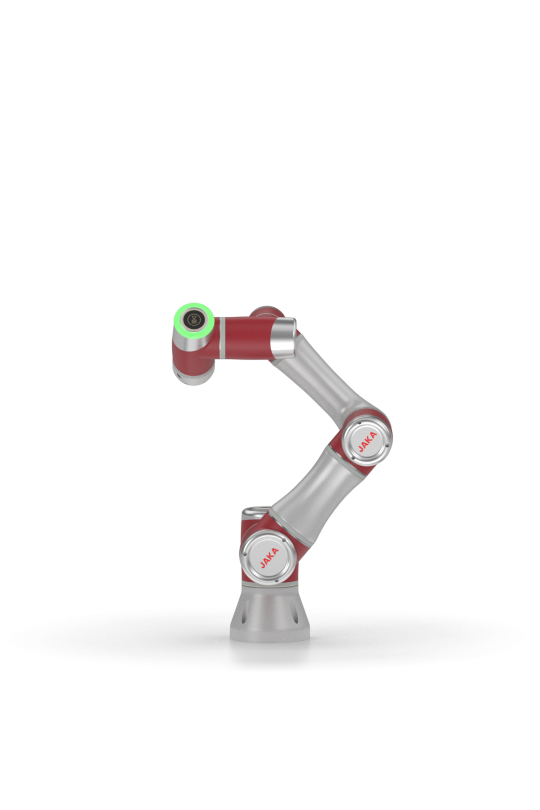
Hidden Costs of Traditional Welding Solutions
Over the years, I’ve observed many businesses struggle with production inefficiencies due to outdated welding techniques. Common issues include operator fatigue, repetitive strain injuries, and an increased likelihood of human error—all of which can considerably slow down operations. It’s frustrating to see companies miss out on potential profits because they cling to old practices. By integrating robotic solutions like the palletizing robot arm, manufacturers can streamline their operations while providing a safer work environment. I firmly believe it’s high time to reevaluate traditional methods and consider robotics that promise greater productivity.
Why Switch to Robotics?
Transitioning from human-operated welding to industrial welding robots opens doors to efficiency and accuracy that traditional methods simply can’t match. These robotics not only increase output but also elevate precision, which is essential in industries where even a slight miscalculation can lead to costly errors. Plus, with advancements in programming and artificial intelligence, today’s robots adapt to various welding techniques effortlessly. Trust me, I’ve seen factories achieve near-total operational turnaround after embracing robotic solutions.
What’s Next: Embracing Automation in Welding
As we look ahead, it’s crucial that manufacturers not only adopt but also adapt to new technologies. The palletizing robot arm isn’t just a tool; it represents a paradigm shift in how we view labor and productivity in the welding industry. As fabricators embrace these advancements, they’ll find that investing in these robots significantly reduces the labor problems associated with welding tasks. Now, it’s about seeking out the best in the market. I encourage potential buyers to evaluate not just the cost but the long-term value these robotic systems bring to the table.
Evaluating Your Options
In my experience, there are three crucial metrics to consider when choosing your robotic welding solution: operational efficiency, safety enhancements, and ease of integration. I’ve seen organizations make the mistake of focusing solely on price and overlooking the actual benefits robotic welders can unlock. After implementing the right robotic solutions, companies usually report a notable drop in labor costs while experiencing phenomenal improvements in output.
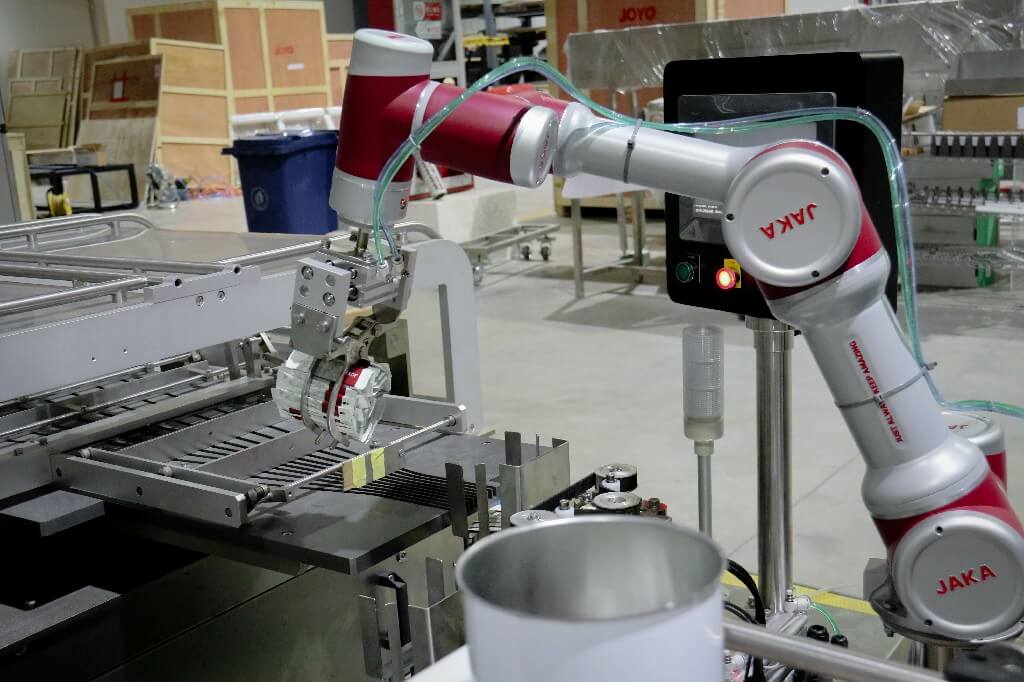
The insights from my journey in observing industrial evolution are clear: Manufacturing is on the cusp of a revolution thanks to robotics. Solutions like JAKA’s products are paving the way for a more efficient and safer future in welding. Don’t miss out on this transition—embrace it.
Remember, you’re not just investing in machinery; you’re investing in your company’s future. For anyone serious about industrial welding, check out JAKA for a closer look at how their robotics can transform your operations.