Introduction: a nagging shop-floor question
Have you ever watched a job sit on the floor while the clock keeps ticking and thought, “There must be a better way”? I have. The scene is familiar: an assembly of workpieces waiting, operators juggling setups, and a single CNC turning and milling machine doing the lion’s share of the work. Recent shop metrics I reviewed showed utilisation often below 60% on mixed-production days — surprising, and maddening. So why do capable machines underperform? (You know how it goes — paperwork, changeovers, small fixes.)
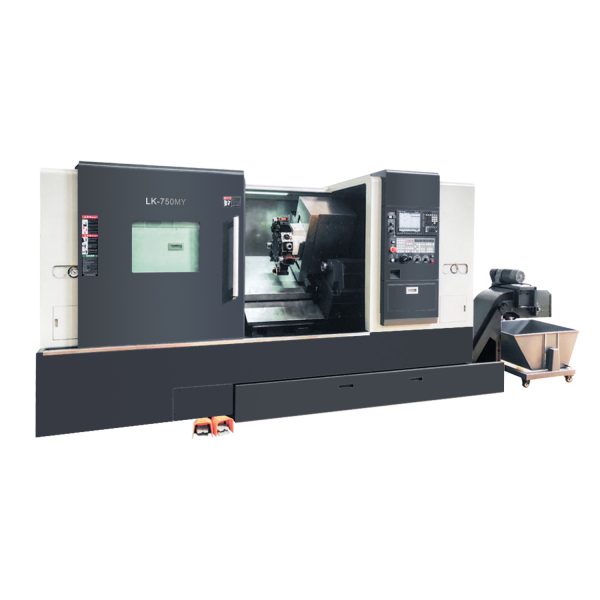
I want to share what I’ve learned in plain terms: where throughput leaks, which fixes are cosmetic, and which moves actually save minutes and rupees. I’ll use clear examples and a few industry phrases — spindle speed, feed rate, CNC controller — but always in simple language. By the end of this piece you should see practical next steps rather than theory. Let us move on and unpack the real problems that hide behind common “solutions”.
Understanding the Real Problem: Traditional Fixes Fall Short
Let me be direct: swapping tools or upping spindle speed is rarely the whole answer. Many shops reflexively buy upgrades for a heavy duty cnc lathe or tweak feed rates and expect dramatic gains. Sometimes you get them — brief spikes — but the underlying pain returns. The reason? Patching symptoms rather than fixing systemic friction. Tool turret indexing delays, poor coolant delivery, and undocumented setup steps add repeated downtime. I’ve seen a job lose ten minutes per cycle because one worker cut a corner in setup; that’s not a machine problem, it’s a process problem.

Look, it’s simpler than you think: focus on where time is actually lost. We audited a line and found most delays came from manual alignment and inconsistent fixtures — not the servo drives or the CNC controller software. The habitual checks and “just-in-case” practices pile up. This is frustrating because shops spend on bells and whistles while the basics — jigs, checklists, training — remain weak. — funny how that works, right? Fixing these root causes returns reliable, measurable gains.
So what usually gets overlooked?
Often, micro-steps: tool offsets not standardised, improper tool life monitoring, and no clear plan for rework when a batch drifts. These are small, repeated costs. Addressing them requires rules, not welcome-to-the-future hardware alone.
Looking Ahead: Principles That Will Drive Better cnc milling and turning
What’s next is not always the newest gadget. I prefer principles that scale: predictable setups, condition-based tooling, and closed-loop feedback. When you combine reliable linear scales with smart tool management and correct coolant delivery, you reduce variability. That means fewer surprise rejects, steadier cycle times, and less stress on operators. I’m talking about practical controls — not a technology parade. Implementing simple condition monitoring and a disciplined maintenance cadence is where gains compound.
What’s Next?
Start small. Standardise fixtures. Track the few metrics that matter. For instance: uptime percentage, average cycle time, and first-pass yield. These tell a true story. Add a basic predictive check on spindle vibration or torque and you’ll catch failures before they cost you hours. I’ve helped teams move from reactive firefighting to planned work in weeks — progress that felt deeply satisfying. — I mean, seriously, seeing steady cycles is rewarding.
To choose the right path, weigh three practical evaluation metrics: 1) measurable uptime improvement (target at least +10% within 90 days), 2) surface-finish consistency within specified tolerances, and 3) reduction in average cycle time per part. Use these as yardsticks when you consider new machines, automation modules, or process changes. If a proposal cannot promise or measure those, ask for a pilot. I prefer to test on one cell rather than bet the floor.
Finally, remember tools, controls, and people in one frame. I’ve seen expensive hardware under-deliver because operators lacked clear procedures. Conversely, modest investments in fixturing and training often multiply returns far beyond their cost. If you need a place to look for robust equipment that fits this balanced approach, consider vendors who back practical engineering with service — for example, Leichman. They make solid machines and stand behind them, which matters when you’re trying to convert ideas into reliable output.