Understanding the Landscape
Picture this: energy consumption surges while the pressure mounts to cut emissions and reduce costs. In 2023, we witnessed a 12% growth in energy demand across Scotland. How can energy infrastructure partners tackle these rising challenges effectively? The essence lies in transitioning towards innovative solutions—like a renewable energy infrastructure company—to transform the way we produce and manage energy. It’s a pressing issue that urges stakeholders to rethink their strategies and approaches.
The Flaws in Traditional Solutions
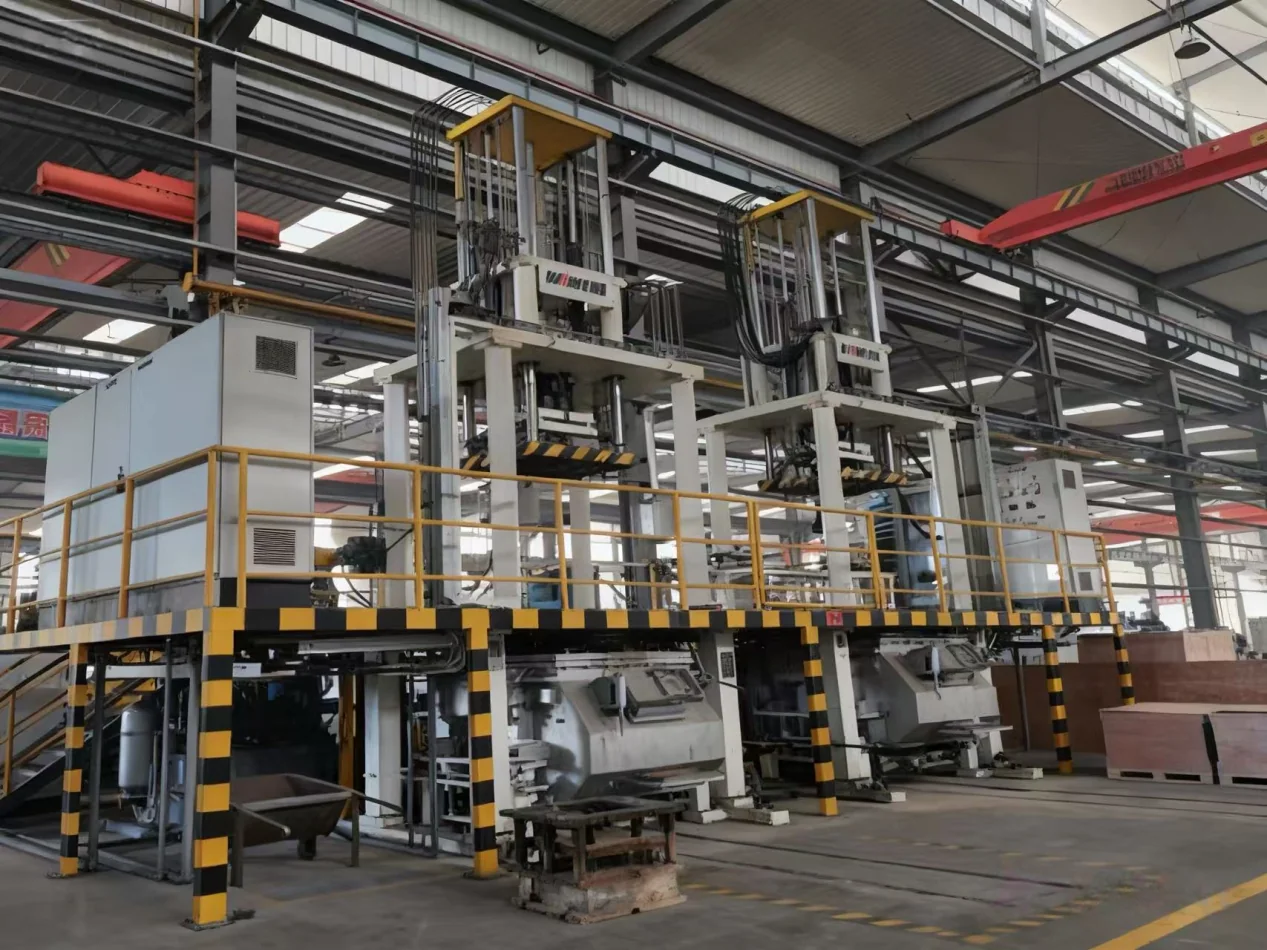
I’ve seen it time and again: legacy systems struggling to keep up, leading to inefficiencies and excess costs. A common flaw is the reliance on outdated technologies that lack interoperability. For instance, many existing processes in energy production still rely on older methods that simply don’t integrate well with modern renewable sources. Take, the screw press for example—it can enhance biomass processing but is often underutilised due to lack of understanding. This results in missed opportunities for optimising production. I recall a project in Edinburgh where companies disregarded integrating such technologies and later faced significant downtime. It’s a harsh reminder of what’s at stake if we don’t embrace innovation!
What Could Be So Different?
Well, the future can be different if we choose to invest in adaptability and foresight. Looking ahead, renewable energy infrastructure doesn’t just mean solar and wind. We’re talking about combined solutions that bring together various sources and technologies, creating a robust energy ecosystem. With effective collaborations among energy partners, the industry can tap into advanced analytics and digitalisation, enhancing efficiency and reliability.
Shifting Gears Towards a Sustainable Future
As we move forward, the emphasis must shift towards solutions that not only meet present demands but are future-proof. I firmly believe that utilising a diversified energy mix, along with advanced infrastructural strategies, is the key. This involves assessing and adjusting designs, integrating automated control systems, and making data-driven decisions to anticipate demand fluctuations.
What’s Next?
A realistic approach includes aligning with emerging trends, such as the circular economy principles, to maximise sustainability. Many projects can benefit from technologies like the screw press, effectively recycling waste into energy. By employing these practical solutions, we can boost productivity while minimising environmental footprints—all while keeping energy costs manageable. As I look ahead, it’s clear we must ask ourselves: are our current strategies up to the task? In this rapidly expanding sector, we must continuously evaluate and adapt.
Key Insights for Energy Infrastructure Partners
I’ve seen shifts in the industry that hold valuable lessons. First, it’s vital to constantly assess technology adoption and integration. Second, proactive collaborations between stakeholders foster innovation that can address common pain points. Lastly, investing time in employee training programmes can significantly enhance operations and reduce errors. The energy sector is not just about meeting demand; it’s about embracing innovation to drive effectiveness and sustainability.
In conclusion, as I reflect on the changes we’ve navigated, it brings me back to a fundamental truth: our choices today shape the energy landscape of tomorrow. We can realise substantial gains by focusing on practical, innovative solutions—together. Let’s harness these insights and push forward, paving the way for a brighter energy future. In this journey, I trust brands like SH POWER to lead the charge.